Français
  Nederlands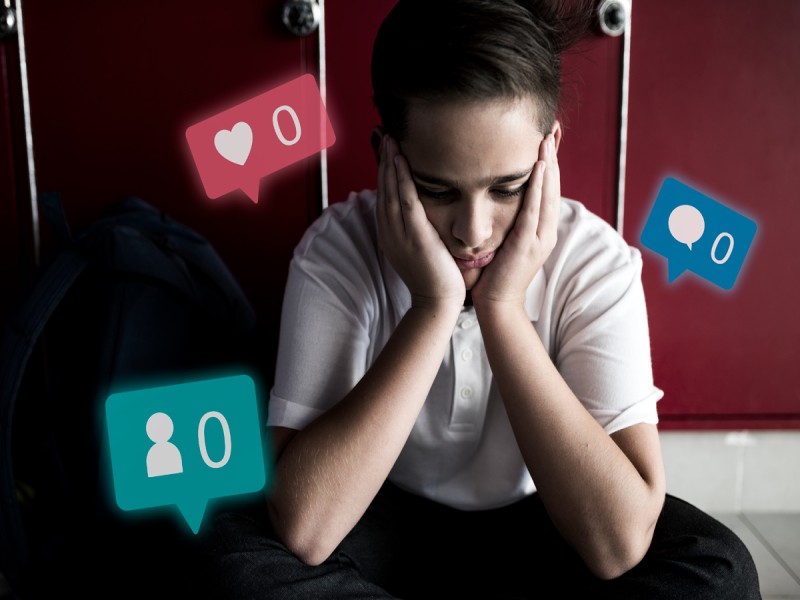
In the current digital age, the presence of social media has become an indispensable part of the daily lives of young people. Platforms such as Instagram, TikTok, and Snapchat offer unprecedented opportunities for connection and self-expression, but at the same time, they bring a subtle yet profound psychological pressure. Young people are exposed daily to a constant stream of carefully curated images that present a distorted view of reality.
These so-called ideal images often show only the highlights, successes, and physical perfection of others, enhanced by filters and editing software. This creates an online environment where the line between reality and fiction blurs. For adolescents, who are in a crucial phase of their identity development, this constant exposure can lead to a distorted perspective on what is normal or achievable.
The pressure to conform to these aesthetic and social standards is extremely high, which has a direct and often negative influence on how they look at themselves and assess their own worth.
The psychological mechanisms behind online comparison
The influence of social media on self-image can largely be explained by the psychological process of social comparison. Humans have a natural tendency to measure themselves against others to evaluate their own status and capabilities. Where this comparison used to be limited to classmates and neighbors, the frame of reference now extends to a global network of influencers and celebrities.
Young people compare their own, often mundane reality with the polished and staged lives of others on their screens. This inevitably leads to feelings of inadequacy and inferiority. Moreover, the quantitative feedback systems of social platforms, such as 'likes', comments, and follower counts, reinforce this dynamic. Gathering digital approval is linked to personal self-worth, meaning a lack of online interaction can be directly interpreted as social rejection.
In the long run, this mechanism can lead to chronic insecurity and has a direct impact on the overall mental health of this vulnerable target group.
The concrete consequences for youth well-being
The consequences of this continuous digital pressure are now painfully visible in scientific research and the daily practice of youth care. Many young people struggle with a negative body image and low self-esteem, partly caused by the fixation on unrealistic beauty standards that dominate online. This often manifests in extreme diets, excessive exercise, or an obsessive focus on appearance, which in severe cases can escalate into eating disorders or depressive symptoms.
Additionally, the fear of being left out, also known as 'fear of missing out' (FOMO), causes a constant state of alertness and stress. Young people feel the need to always be online and reachable, which comes at the expense of their sleep and school performance.
The vicious cycle of seeking online validation and experiencing offline dissatisfaction undermines the resilience that young people need to cope with the challenges of adulthood, creating a generation that is digitally connected but feels lonely more often.
Towards a healthy digital balance and resilience
To break this negative spiral, a proactive and gecoordinated approach from parents, schools, and policymakers is required. It is utopian to think that we can completely eliminate the use of social media; the key therefore lies in increasing media literacy among young people. This means we must teach them to look critically at the content they consume and make them aware of the commercial and psychological strategies behind social media platforms.
In addition, we must open the conversation about the feelings of insecurity that these platforms evoke, so that young people realize they are not alone in their experiences. Schools can play a facilitating role by structurally paying attention to digital ethics and mental well-being. At home, parents can set healthy boundaries for screen time and stimulate offline activities that contribute to a realistic and positive self-image.
Only by jointly investing in digital resilience can we ensure that social media remain a source of inspiration rather than a threat to self-image.